
The Bitterness of Edom: A Legacy of Division
The Sworn Oath of the Children of Esau
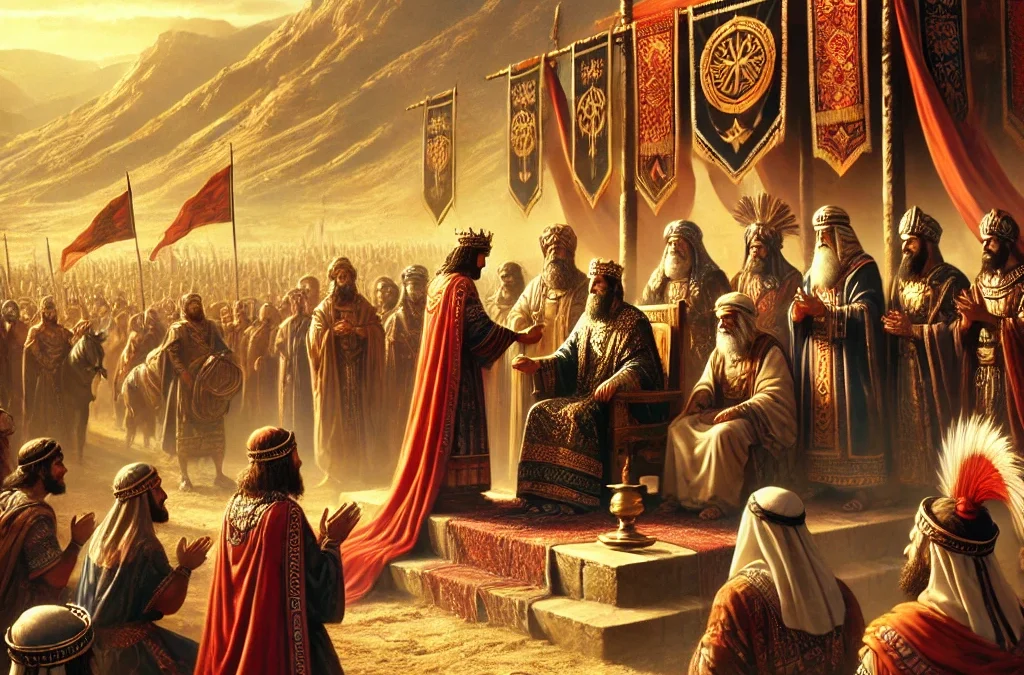
“And all the children of Esau swore, saying that none of their brothers should ever reign over them, but a strange man who is not of their brothers, for the souls of all the children of Esau were embittered—every man against his son, brother, and friend—on account of the evil they sustained from their brothers when they fought with the children of Seir. Therefore, the sons of Esau swore, saying from that day forward they would not choose a king from their brothers, but one from a strange land to this day.
And there was a man there from the people of Angeas king of Dinhabah; his name was Bela the son of Beor, who was a very valiant man, beautiful, and handsome, and wise in all wisdom, and a man of sense and counsel; and there was none of the people of Angeas like to him. And all the children of Esau took him and anointed him, and they crowned him for a king, and they bowed down to him, and they said to him, ‘May the king live, may the king live!'” (Jasher 57:39-42)
Who Was Bela? Another Name for Him Is…
Bela, the son of Beor, is also known as Balaam in some traditions. However, in the biblical context, Bela is primarily identified as the first king of Edom (Genesis 36:32, 1 Chronicles 1:43). Some interpretations connect him to Balaam due to linguistic and historical similarities, but this identification remains debated among scholars.
The Characteristic of the Children of Esau: Bitterness Leading to Rejection
The defining characteristic of the children of Esau (Edom) is bitterness and division, particularly toward their own kin. This deep-seated resentment ultimately led them to reject their own brothers in favor of a foreign ruler. Their internal conflicts and unresolved grievances, especially after their war with the children of Seir, shaped their destiny. Rather than uniting under one of their own, they chose Bela, an outsider, as their leader.
This decision reveals a profound spiritual and psychological fracture within Edom’s lineage. Instead of seeking reconciliation, their hatred, rivalry, and distrust overshadowed natural kinship. This rejection of their own bloodline in favor of a stranger signifies a deeper pattern of self-imposed exile and misalignment with their heritage.
The Spiritual Consequence: Balaam as Their Leader
The spiritual outcome of Edom’s rejection of their own was that they ultimately found themselves under the leadership of Balaam, a man known for his cunning, sorcery, and willingness to manipulate divine power for personal and political gain. By rejecting their own kin, they set themselves on a path where they were governed by a leader who would later be infamous for leading Israel into sin (Numbers 31:16). This consequence further emphasizes how bitterness and division can result in leadership that does not serve the people’s true spiritual well-being.
The Lasting Impact of Edom’s Division
Edom’s choice to crown an outsider rather than their own kin serves as a historical and spiritual lesson. When a people allow bitterness and division to rule their hearts, they reject their own inheritance and create a cycle of disunity. The children of Esau not only rejected one another but also distanced themselves from their original blessings. This decision had lasting consequences on their political and spiritual trajectory.
Final Thoughts
The story of Edom serves as a cautionary tale of how internal resentment can lead to division and the rejection of one’s own blessings. The legacy of Esau’s descendants is one of bitterness that led to separation, a pattern that repeated throughout their history. Understanding this dynamic helps us recognize the dangers of unresolved conflicts and the necessity of unity within families and nations.
