
Listen to the Audio Version
Doomscrolling Lilith
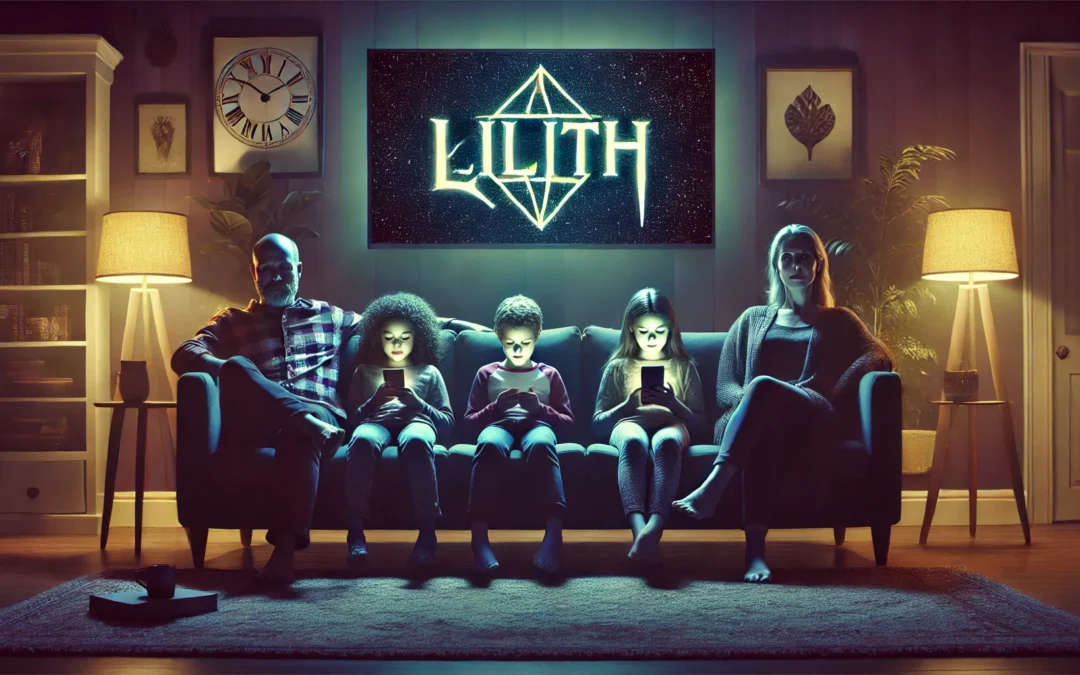
In today’s world, the subtle influence of Lilith can be seen in behaviors like doomscrolling social media, binge-watching Netflix, or engaging in compulsive online shopping—activities that often serve as distractions from deeper spiritual truths and connection to divine leadership, such as that of the tzadik. Here’s how these modern behaviors reflect a disregard for the tzadik and a manifestation of the subtle spiritual deception described in Kabbalistic teachings:
1. Doomscrolling Social Media
Doomscrolling, the compulsive consumption of negative or anxiety-inducing content on social media, keeps individuals in a state of distraction and emotional overwhelm. Rather than seeking spiritual clarity or connection with the tzadik (the righteous guide chosen by YHVH), people turn to endless feeds of bad news, controversies, and divisive opinions. This disconnection from spiritual leadership arises from:
- Doubt in Divine Leadership: Many feel disconnected from the idea that a tzadik could exist in today’s complex and modern society. Social media amplifies voices that promote individualism and skepticism toward religious or spiritual authorities. It feeds the narrative that personal empowerment comes from self-reliance, not from following a tzadik or trusting in divine guidance.
- Constant Distraction: Doomscrolling prevents people from quieting their minds and reflecting on higher spiritual truths. The tzadik’s role is to guide individuals toward divine wisdom and clarity, but the constant barrage of information on social media keeps people mentally and emotionally consumed, leaving little room for spiritual discernment or reflection.
- Fostering Mistrust: Social media often spreads mistrust of authority, including religious or spiritual leadership, by elevating voices that challenge traditional structures. This subtle influence encourages people to disregard the possibility that YHVH would choose a tzadik in the modern era, leading them further away from divine leadership.
2. Binge-Watching Netflix
The habit of binge-watching streaming platforms like Netflix keeps people engrossed in entertainment escapism, distancing them from spiritual contemplation or engagement with divine teachings. While watching a show can be harmless, when it becomes a regular way to fill time, it serves as a distraction from spiritual growth. Lilith’s influence here is subtle but significant:
- Escaping Reality: Instead of facing their own spiritual journey or challenges, people use entertainment as a way to escape reality. This aligns with the way Lilith works—through illusion and the creation of false realities that prevent people from seeing the true spiritual path. The tzadik’s guidance often calls people to confront difficult truths, but binge-watching allows them to avoid those challenges.
- Rejecting the Need for Spiritual Leadership: Many believe that in a world where science, technology, and entertainment dominate, there is no longer a need for a spiritual tzadik to lead. This reflects the unbelief that YHVH would choose a tzadik in the modern era. Instead of seeking out spiritual leaders, people turn to characters in shows or movies, engaging with fictional heroes rather than the tzadik, who offers real, transformative guidance.
3. Compulsive Online Shopping
Online shopping, particularly when done compulsively, represents another form of spiritual avoidance. Instead of seeking fulfillment through connection with divine truth or the guidance of a tzadik, individuals fill their spiritual void with material possessions. Lilith’s influence subtly shifts focus from the spiritual to the material:
- Material Distraction: Lilith’s influence encourages materialism as a replacement for spiritual fulfillment. Compulsive shopping can become a way to distract from feelings of spiritual emptiness or disconnection. The tzadik teaches detachment from material excess in favor of spiritual richness, but online shopping offers quick, temporary satisfaction, keeping people focused on the physical world.
- Skepticism Toward Spiritual Authority: Modern society often promotes material success as the ultimate goal, leading people to question the relevance of spiritual leaders like the tzadik. The belief in materialism over spirituality reflects Lilith’s subtle deception—people are tricked into thinking they don’t need a tzadik because they can find satisfaction in physical possessions. The focus on “stuff” distracts from the deeper spiritual truths that the tzadik would lead them to.
4. Underlying Belief: Doubting the Tzadik’s Relevance in Modern Times
The behaviors of doomscrolling, binge-watching, and online shopping all share a common thread of unbelief in the need for divine leadership. People today often assume that the concept of a tzadik—a righteous, divinely chosen leader—belongs to an ancient past, not a modern, technological world. Lilith’s influence operates by:
- Fostering Individualism Over Submission: In modern culture, there’s a strong emphasis on individualism and the belief that personal autonomy is the highest value. This mindset leads to resistance to the idea of following a tzadik, whom many may see as an outdated or unnecessary figure. Lilith’s influence subtly persuades people that they are better off relying on themselves, cutting them off from the spiritual guidance they need.
- Mistrust of Spiritual Leaders: Scandals and negative portrayals of religious figures in media also contribute to a growing mistrust of spiritual leadership. This makes it easier for people to reject the notion that YHVH would appoint a tzadik today. Lilith, who thrives on division and confusion, takes advantage of this, ensuring that many are led away from the truth.
Conclusion
In 2024, Lilith’s influence operates through modern distractions like social media doomscrolling, binge-watching, and online shopping—activities that divert attention away from spiritual matters and encourage a disconnection from the tzadik. These behaviors reflect a deeper unbelief that YHVH would appoint a tzadik in modern times, as many people are absorbed in materialism, entertainment, and individualism. By subtly drawing people away from divine guidance, Lilith ensures that the spiritual truths offered by the tzadik remain hidden, and the deeper journey toward connection with the Divine is delayed.
